A Lillies spinoff
Images and a poem for Robert Mapplethorpe
Hello Everybody,
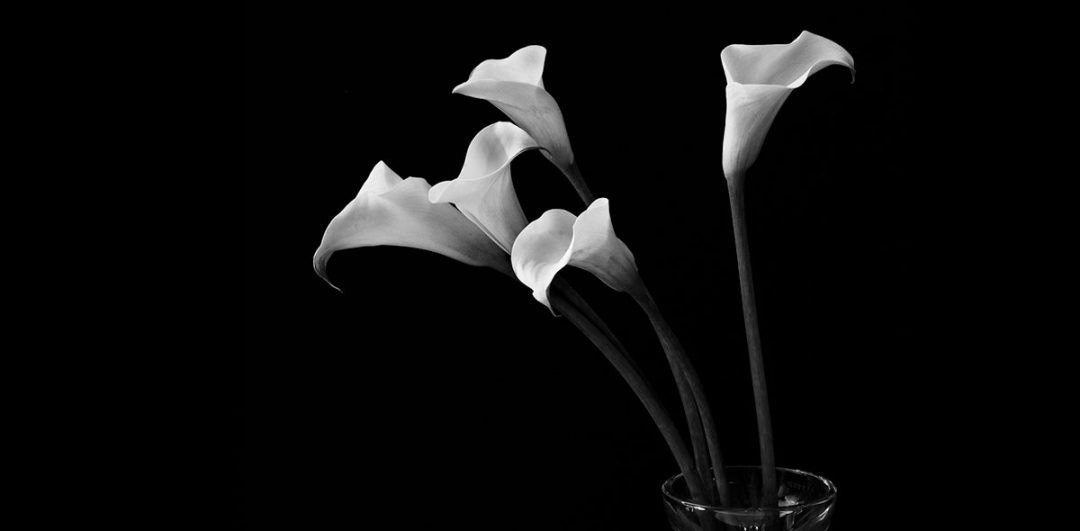
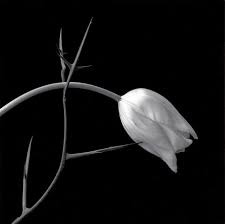
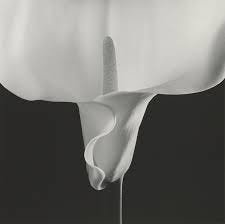
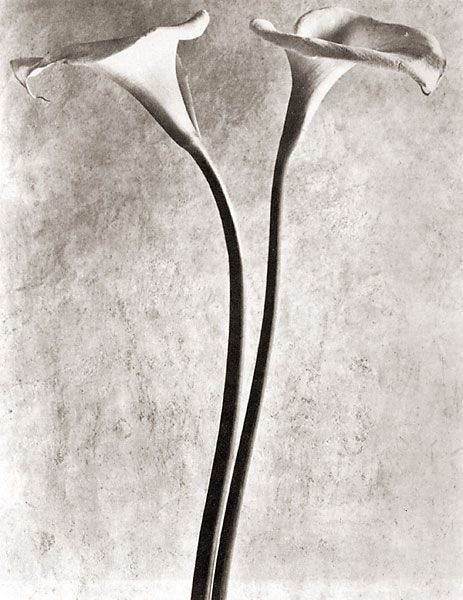
Yesterday’s comments and reactions to the Rimbaud/Ophelia post included many expressions of admiration for Robert Mapplethorpe’s Lily. There have been beautiful images of Lillies, including those shot by Imogene Cunningham and Tina Modotti. Robert’s images had an archness, an undercurrent of sexuality that made his unique. Below are a few flowers. I included a tulip as I referenced in it in the poem Y that I wrote for Robert’s Flower Portfolio. There are two versions of the poem Y, but I am reading the shorter version as I no longer have a copy of the longer one. I am also including Tina Modotti’s lily, that I love. Hoping everyone is well and in good spirits; I send greetings from Tampere, Finland.


For anyone who wants to see the poem that Patti has read, I’m transcribing it herein since it is as arresting to the eye as it is to the ear and mind:
Y
Y is the covenant
between the artist
and the creator
Y is Yaweh the name/the hands
that rearrange
Y is the palm
the rod the river
a system of law
that shall not
be mastered
Y is the trinity
the body
the shaft
the shadow cast
Y is the way of youth
the piss of sentinels
the forgotten vowel
Y is still life
the last shot
before death
a floating gardenia
a storm under glass
a motion of tulips
the hybrid the source
Y is the exhausted
inexhaustible force
This is beautiful, Patti, all of it. What you say about Robert’s flowers is so true, that they had “an archness, an undercurrent of sexuality” that made them unique. To my knowledge, they are unlike anything anyone had done with flowers before him. Thank you for sharing these and for including Tina Modotti’s calla lilies.
“Y” is an amazing, sort of bewitching poem. Hearing you read it, the “Y” becomes not only a series of pronouncements beginning with “Y,” but also, one hears it as an insistent repetition of questions, all beginning with “Why?”
Robert’s tulip (it looks like a French tulip, having a long stem, structurally similar to a calla lily), is especially extraordinary because it appears to be resting in the crook of a Y-shaped branch. It’s an arresting image because the stem of the tulip is fleshy but the branch is thin, without foliage, and its ends are pointy. It has the nook of the Y that the tulip is resting in (one side of which is split into another tiny Y), its own curvy body, and two lower limbs that are like appendages. Tulips with long stems need support for their stalks since otherwise they will droop, and in this image, the bare branch seems to be something like benevolence.
Tina Modotti’s calla lilies, parallel toward the base and opening outward at the flower, also suggest the shape of a Y.
Thank you for these beautiful flowers and for your beautiful poem. Thank you especially for such a stirring reading. Your voice sounds amazing even in between concerts. As ever, blessings on your stamina and strength.
With greetings and warmth to all,
Robin